
Overview
Many cultural institutions seek to broaden their audiences without compromising values. Efforts to “open up” can quickly become instrumental or disconnected from core purpose.
At the same time, large sections of the public already participate deeply in cultural ritual – simply outside traditional gallery contexts.
The strategic question becomes:
How can institutions speak in a language people already live in, without losing cultural depth?
The challenge
Many cultural institutions struggle to broaden their audiences without feeling they are compromising their values. Efforts to “open up” can quickly slide into activity that feels noisy, instrumental, or disconnected from the institution’s core purpose.
At the same time, large sections of the public already participate deeply in cultural rituals – just not always within traditional gallery spaces.
The question becomes: how can institutions speak in a language people already live in, without losing cultural depth?
The approach
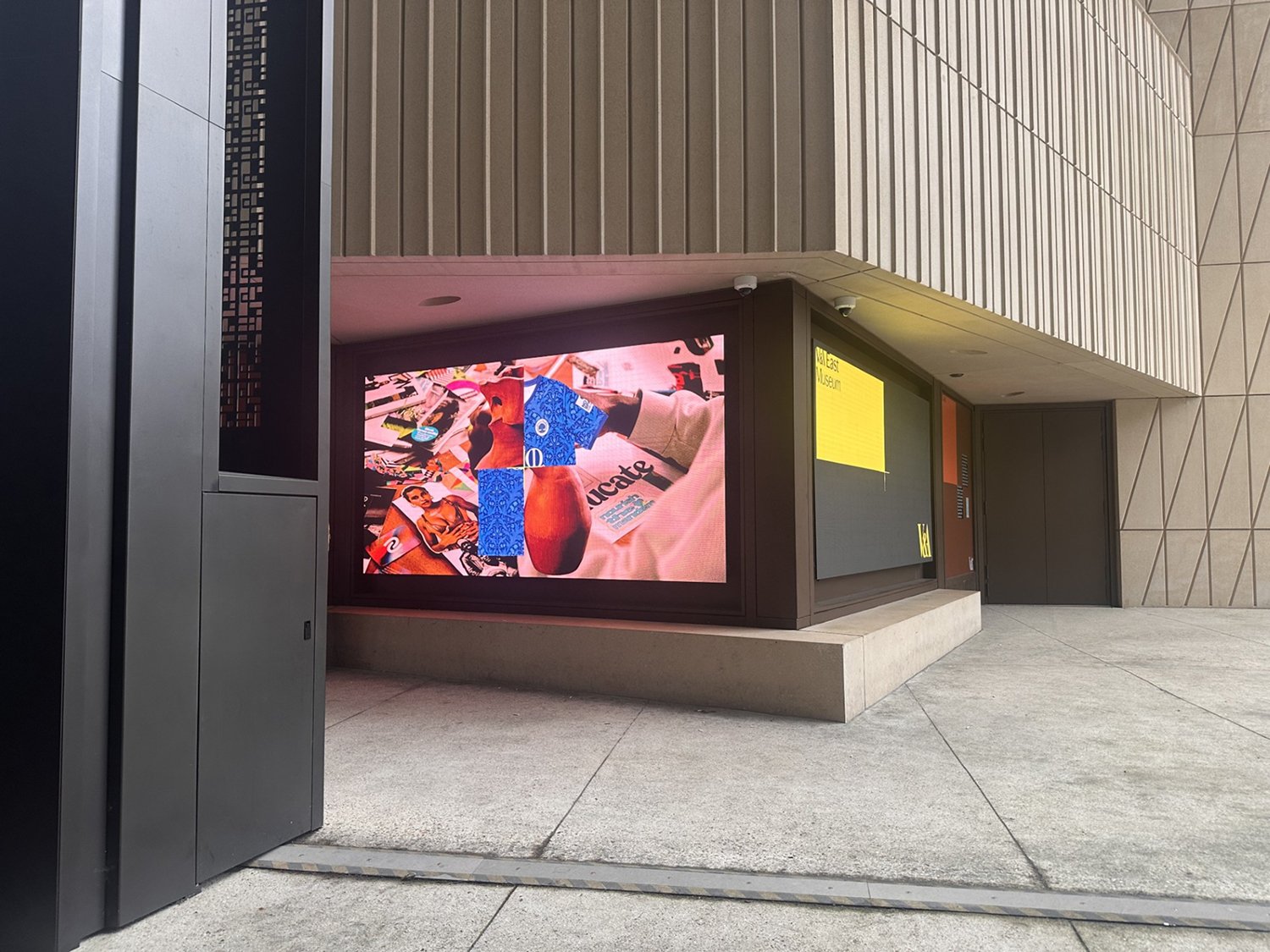
Sport is reframed not as entertainment, but as a shared cultural system – rich in symbolism, craft, memory and collective meaning.
The focus is on identifying genuine points of overlap:
- objects that carry authority and memory
- skilled making that underpins ritual
- communities bound by place, loyalty and repetition
Rather than importing audiences into the gallery, the institution extends outward – with intent, restraint and authorship.
What this looks like in practice
Shared cultural objects
Within exhibition programming, the making of sporting objects – whistles, trophies, tools – is treated as cultural practice. These objects are not merchandise; they are instruments of fairness, memory and authority.
A referee’s whistle can command the attention of tens of thousands. A trophy holds decades of collective memory.
Recognising these objects as cultural artefacts makes the boundary between art, craft and sport permeable – without collapsing distinction.
Sport as a bridge, not a subject
Collaborations with sporting institutions create entry points in spaces where meaning is already active: stadiums, clubs and civic rituals.
The aim is not to “add art” to sport, but to reveal the artistry already present – in materials, making and ritual – and to create new routes into cultural institutions for audiences who may never have felt addressed by them.
Audience confidence and belonging
By encountering culture through familiar forms, audiences build confidence. The museum becomes less coded and more legible – without being simplified.
The institution shifts from instruction to recognition.
The outcome
When institutions work through shared cultural language:
- new audiences engage without feeling targeted
- participation feels earned rather than engineered
- community and legacy are strengthened
- cultural authority is extended, not diluted
Sport becomes a means of access – not a compromise.
Why does this matter?
This approach enables cultural institutions to:
- reduce barriers to participation without lowering standards
- engage communities through dignity and recognition
- build long-term audience relationships rooted in meaning
- operate confidently beyond traditional gallery settings
Culture travels furthest when it speaks through the rituals people already share.